


Diesel Fuel System (DFS)
The Diesel Fuel System is a mission-critical system that ensures diesel is efficiently transferred from the underground storage tank to each generator set’s day tank within a specified time frame.

Overview
The Diesel Fuel System is a mission-critical system that ensures diesel is transferred from the underground diesel fuel tank to every generator set day tank within a stipulated time effectively, without compromising the standard stream of electrical supply to data centre facilities in the event of a power transfer from the normal power grid source (due to a power outage, breakdown, etc.) to the emergency source.
Main Components in A Diesel Fuel System
Fill In Station

Diesel Storage Tank

Motorized Valve

Submersible Pump

Fuel Polishing System

Fuel Transfer Pump

Fuel Transfer Control Panel

Fuel System Design Requirements
Fuel systems for data centres are characterized by generally large loads and run-time durations, requiring substantial quantities of fuel on-site. The systems are designed with standard components but with redundancy to avoid single points of failure. The redundancy requires monitoring of component status and automatic switching to alternate components when failure is indicated. These monitoring and auto-switch functions require advanced PLC control systems. The systems are also highly monitored by BMS systems.
Tier 1: Single flow and power path without redundancy. Manual bypass of components allows for operator over-ride.
Tier 2: Single flow and power path with dual components.
Tier 3: Dual flow and power paths with one active. Dual components such that one can be maintained while the other is active.
Tier 4: Dual flow and power paths with dual active. Dual components such that one can be maintained while the other is active.
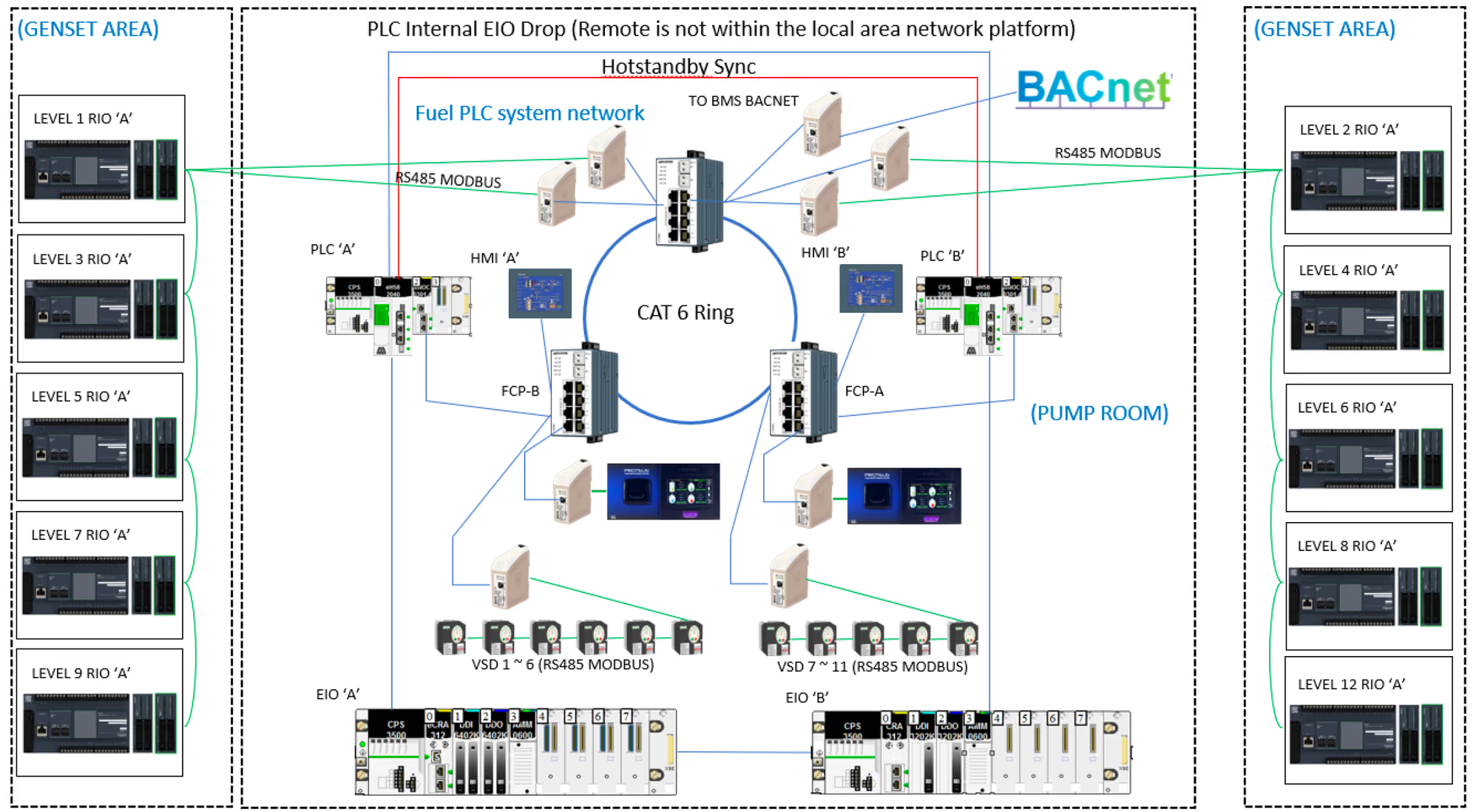
Typical System Architecture of Tier 4 Design
Highlights
- CPU Hot standby PLCs
- N+1 Control Strategies
- Hot swappable IO modules
- Network Ring Topologies
Frequently Asked Questions
Why does a data centre need a dedicated Diesel Fuel System?
Generators in a data centre must accept full load within seconds of a utility outage and run for hours or days without interruption. A Diesel Fuel System ensures bulk storage tanks reliably refill generator day tanks during extended runs, and that fuel quality is maintained through polishing and filtration so engines start and run cleanly when called on.
What is fuel polishing and why is it important?
Diesel degrades during long storage through microbial contamination, water ingress, and oxidation. Fuel polishing continuously filters and conditions stored diesel to remove water, particulates, and microbial growth. Without polishing, fuel that sat in tanks for months may fail to combust cleanly during an emergency start.
How is the Diesel Fuel System monitored?
Tank levels, transfer pump status, valve positions, leak detection sensors, and fuel quality (water content, particulates) are continuously monitored through the BMS or DCIM platform. Alarms trigger on low levels, pump failures, leaks, or polishing system faults.
What standards apply to data centre fuel systems?
NFPA 110 (emergency standby power systems), NFPA 30 (flammable and combustible liquids), and Uptime Institute Tier requirements (12 to 96 hours of runtime fuel storage depending on Tier classification) are the primary references. Singapore SCDF requirements apply for above-ground and underground storage permits.
Ready to deploy this solution at your facility?
Talk to our engineers about a site assessment, scope, and timeline.
Request a site assessmentAbout EcoXploreMore About EcoXplore
We are dedicated to empowering businesses with software and services that drive efficiency and growth
View more: About EcoXplore | Thailand Energy & IoT Engineers Since 2011


